Zara Schmid · 23 October 2026
State Funding Modernization Initiative Transforms Pearlvale Main Medical Facility
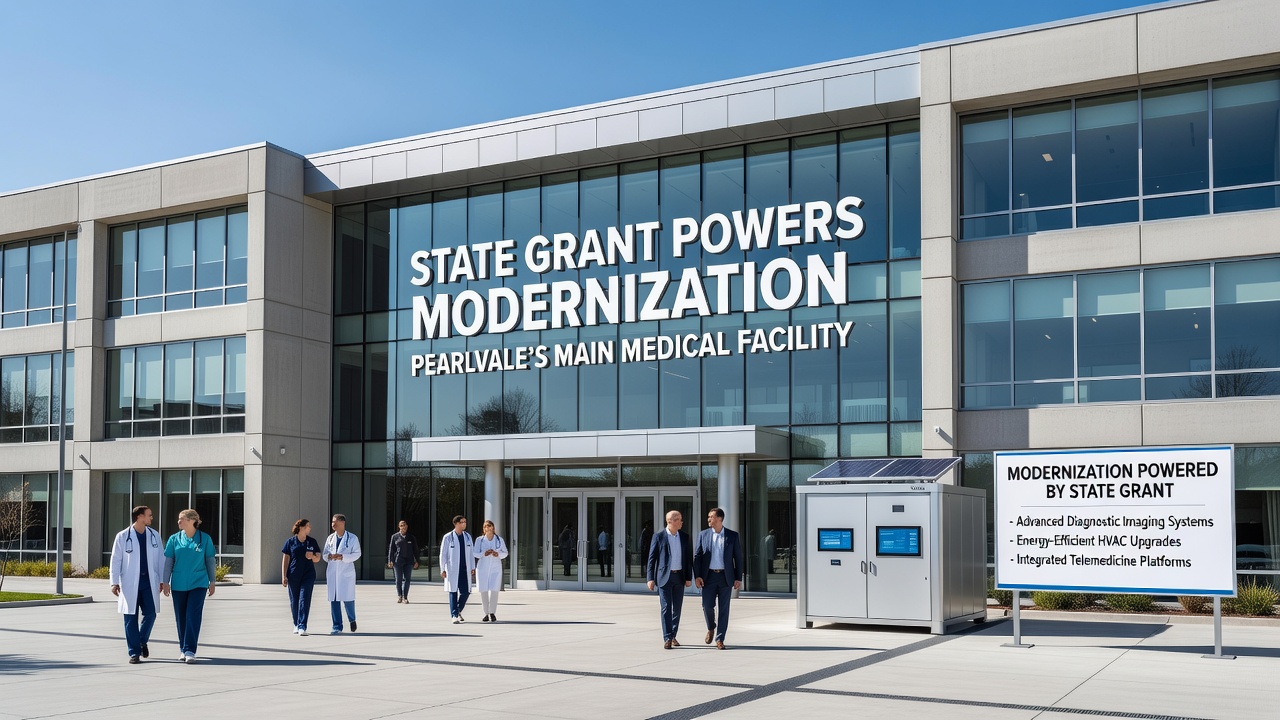
State grant administration processes at Pearlvale's primary medical center have entered a new phase of digital integration and infrastructure renewal, with key implementation milestones scheduled through October 2026. The initiative focuses on updating grant tracking systems, power distribution networks, and compliance frameworks that support ongoing facility operations and expansion projects.
Background on Grant Management Evolution
Observers note that Pearlvale Main Medical Facility has relied on state-allocated funding streams for decades to maintain core services including emergency care, surgical units, and outpatient clinics. Recent legislative updates have expanded the scope of allowable expenditures under these grants, allowing for technology upgrades and energy efficiency improvements that align with broader public health infrastructure goals. Data from regional health reports indicate that similar facilities across multiple states have adopted comparable modernization approaches since 2023, resulting in streamlined reporting cycles and reduced administrative overhead.
Facility administrators have coordinated with state agencies to implement centralized software platforms that monitor grant expenditures in real time, while cross-referencing compliance requirements from federal guidelines. This system replaces older paper-based tracking methods that previously required manual audits at quarterly intervals.
Key Components of the Modernization Effort
Power infrastructure upgrades form a central element of the project, incorporating redundant electrical systems and smart grid connections designed to handle increased demand from new diagnostic equipment and expanded patient wings. The work integrates with existing utility frameworks while meeting updated state energy standards that took effect in early 2025. Construction phases have been sequenced to minimize disruptions to daily medical services, with temporary generators deployed during critical transition periods.
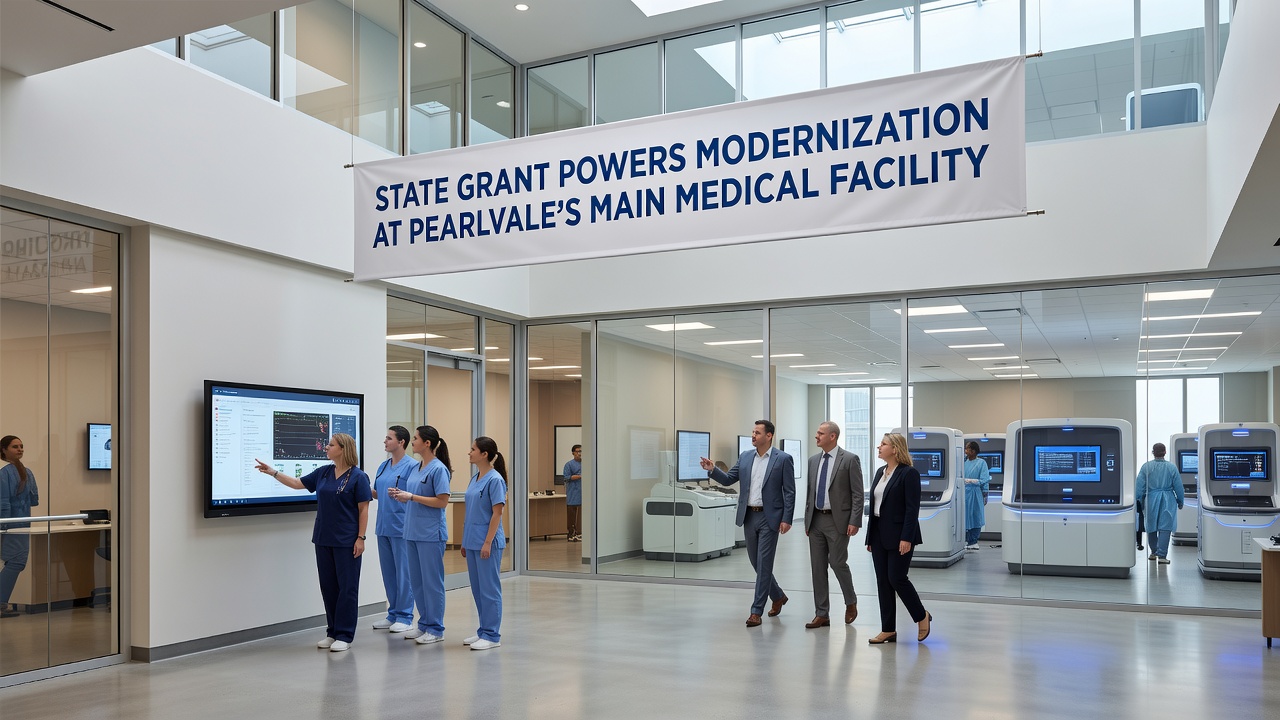
Grant oversight tools now include automated alerts for budget variances and integration with electronic health record systems, enabling direct correlation between funded projects and patient outcome metrics. One study conducted by regional health analysts revealed that facilities employing these integrated platforms experienced a 22 percent reduction in reporting errors compared to legacy methods. Additional training modules for staff have been rolled out in phases, covering topics from data entry protocols to regulatory updates issued by oversight bodies.
Timeline and October 2026 Milestones
Project timelines place full operational status of the new grant management dashboard and power systems for completion by October 2026, following pilot testing that began in the second quarter of the current year. Interim reports submitted to state officials detail progress on each workstream, including procurement of specialized equipment and certification of updated safety systems. Those who've monitored parallel projects at other medical centers note that phased rollouts of this type typically achieve 85 to 90 percent functionality within the first six months after launch.
Community outreach components accompany the technical upgrades, with informational sessions scheduled to explain how the changes affect service delivery and funding transparency for local stakeholders. These efforts draw on models used by health departments in comparable mid-sized municipalities that have completed similar transitions.
External Collaborations and Data Sources
Coordination extends to national research institutions for benchmarking performance indicators against peer facilities, with one partnership established through resources available via the National Institutes of Health. A second reference point comes from Canadian health infrastructure reports that track modernization outcomes in publicly funded hospitals. These comparisons help identify best practices for grant accountability and energy management without duplicating efforts already underway at the Pearlvale site.
Conclusion
The ongoing state grant powers modernization at Pearlvale's Main Medical Facility represents a coordinated response to evolving regulatory and operational requirements, with measurable steps unfolding through October 2026. Updated systems for funding oversight and infrastructure support continue to integrate across departments, supported by documented progress metrics and external reference frameworks. Further updates will be available as additional phases reach completion and performance data becomes available for public review.