Zara Vogel · 6 November 2026
Pearlvale High Students Guide School Updates Through Direct Engagement Activities
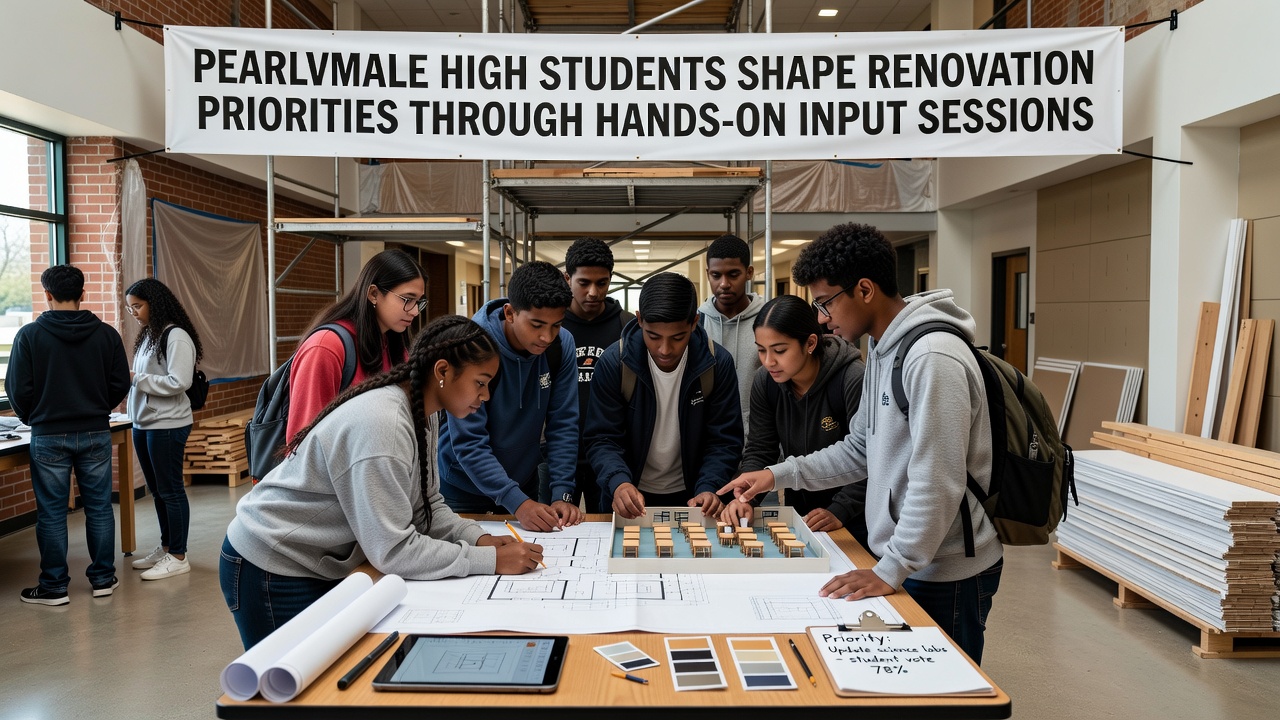
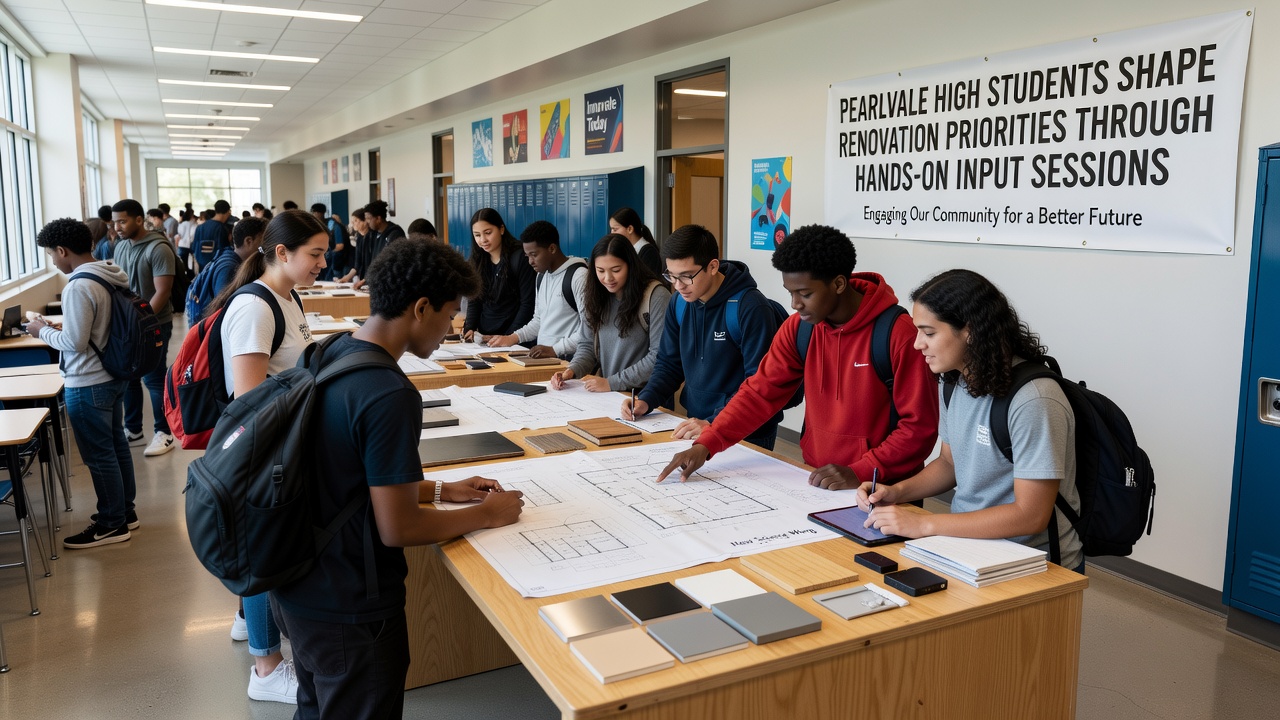
Students at Pearlvale High have taken active roles in shaping renovation priorities through structured hands-on input sessions that began earlier this year and continue into late 2026, with key decisions slated for review in November 2026. These sessions bring together groups of learners, faculty members, and design professionals who work through practical exercises to identify specific needs for facility improvements, including updates to classrooms, common areas, and outdoor spaces.
Session Structure and Participation Methods
Each session follows a consistent format where participants rotate through activity stations that include mapping exercises, material selection tasks, and priority-ranking boards, while facilitators record feedback in real time. Data from the first three rounds shows that over 200 students have contributed input across multiple grade levels, with sessions averaging two hours in length and incorporating both individual and group-based components. Observers note that the approach allows students to interact directly with architectural models and sample materials, which helps translate abstract ideas into concrete suggestions that align with budget and timeline constraints set by the district.
One study revealed that similar programs at other high schools produced measurable increases in student satisfaction with final project outcomes, and Pearlvale organizers have adopted comparable tracking methods to measure engagement levels throughout the process. Participants receive printed summaries after each meeting so they can review how their contributions fit into the larger set of priorities, and follow-up sessions adjust focus areas based on patterns that emerge from the collected responses.
Key Priorities Identified So Far
Early results indicate strong interest in sustainable features such as improved natural lighting, energy-efficient systems, and expanded green spaces around the campus perimeter. Additional themes include technology integration points for flexible learning setups and accessibility upgrades that address both physical and digital barriers. District records show that these themes have appeared consistently across different student cohorts, which helps planners allocate resources toward elements that serve the broadest range of needs.
Renovation timelines point toward phased implementation beginning after the November 2026 presentation of finalized recommendations to the school board. Construction phases will address high-priority items first, while lower-ranked suggestions move into later stages or receive consideration for future funding cycles. Coordinators have emphasized that the input process remains open until the final compilation of data, which allows additional students to join remaining sessions scheduled through the fall semester.
Community and District Involvement
School administrators have coordinated with local contractors and regional education offices to ensure that student-generated priorities align with building codes and available grant opportunities. According to reports from the US Department of Education, student participation in facility planning correlates with higher long-term utilization rates of renovated spaces. Pearlvale organizers have referenced these findings when structuring their own documentation and evaluation protocols.
Additional coordination occurs with nearby districts that have run comparable programs, allowing Pearlvale to adapt successful elements such as digital feedback tools and visual preference surveys. Figures from the Ontario Ministry of Education on school modernization projects further illustrate how early student involvement can reduce later revision requests during construction, which supports the decision to maintain an extended input window through the current academic year.
Next Steps and Documentation
Compiled results will undergo review by a joint committee that includes student representatives, after which the full set of recommendations advances to the board for approval. All session materials, including raw data summaries and visual records of activity outputs, remain available for public examination through the district's online portal. This transparency measure allows community members outside the school to understand how priorities were developed and to provide supplementary comments before final decisions occur in November 2026.
Conclusion
The Pearlvale High input sessions demonstrate a documented method for incorporating learner perspectives into renovation planning, with measurable participation numbers and recurring priority themes that guide district decisions. Continued documentation through the remaining sessions will determine the final scope of work, while the November 2026 milestone marks the transition from input collection to implementation scheduling.