Bianca Foster · 9 October 2026
Pearlvale Archives Fuel Creative Choices for Civic Center Murals
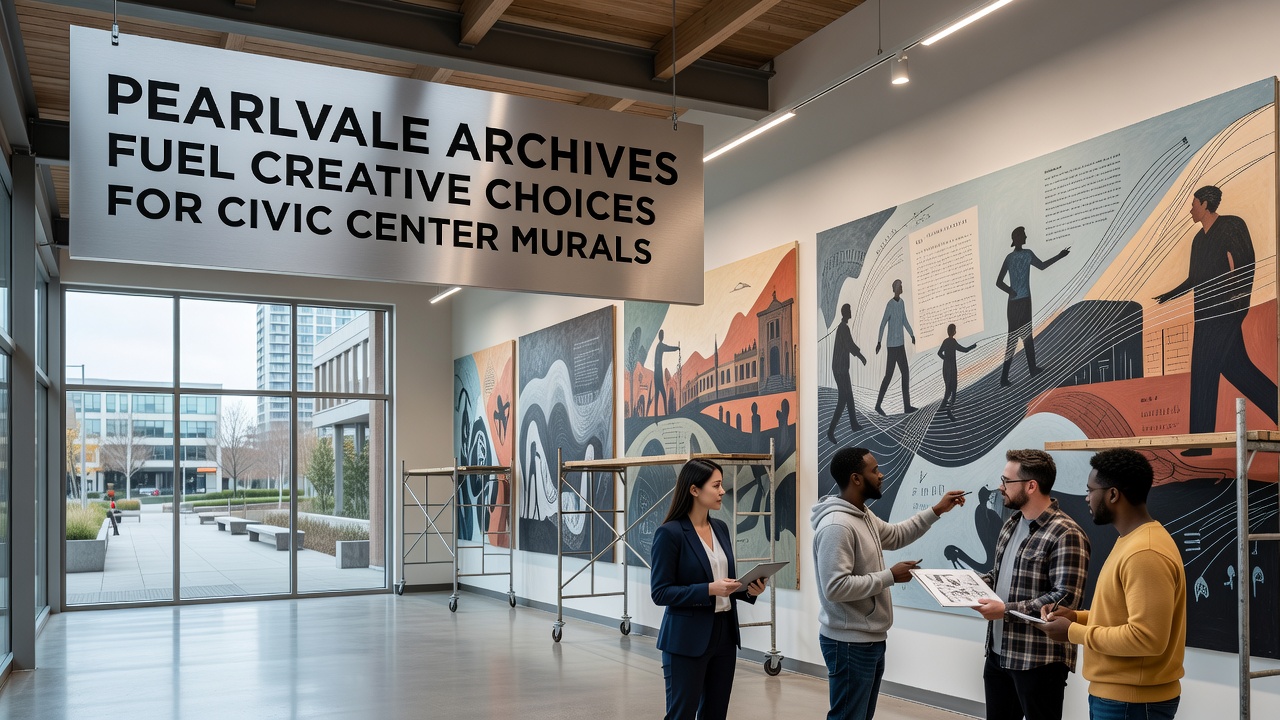
Local historians and artists have drawn directly from the Pearlvale Archives to shape designs for upcoming murals at the Civic Center, with project records showing multiple reference pulls from 19th-century ledgers and early 20th-century photographic collections. The archives hold over 12,000 items including maps, correspondence, and oral history transcripts that document shifts in land use, community gatherings, and industrial development across the valley.
Archive Contents Guide Mural Themes
Project coordinators report that teams selected specific documents from the collection to establish visual accuracy in scenes depicting Pearlvale's founding era and mid-century expansion. One set of 1940s photographs captured street layouts that now appear in preliminary sketches for the east wing panels, while handwritten census data from 1898 supplied names and occupations that artists incorporated into crowd compositions. These choices emerged after archivists cross-referenced entries against city planning reports dated between 1925 and 1955.
Researchers note that the archives also contain detailed weather logs and agricultural yield records that have influenced color palettes and seasonal imagery in several proposed designs. Data from those logs indicate average rainfall patterns that artists translated into layered sky treatments across multiple panels.
October 2026 Milestone Approaching
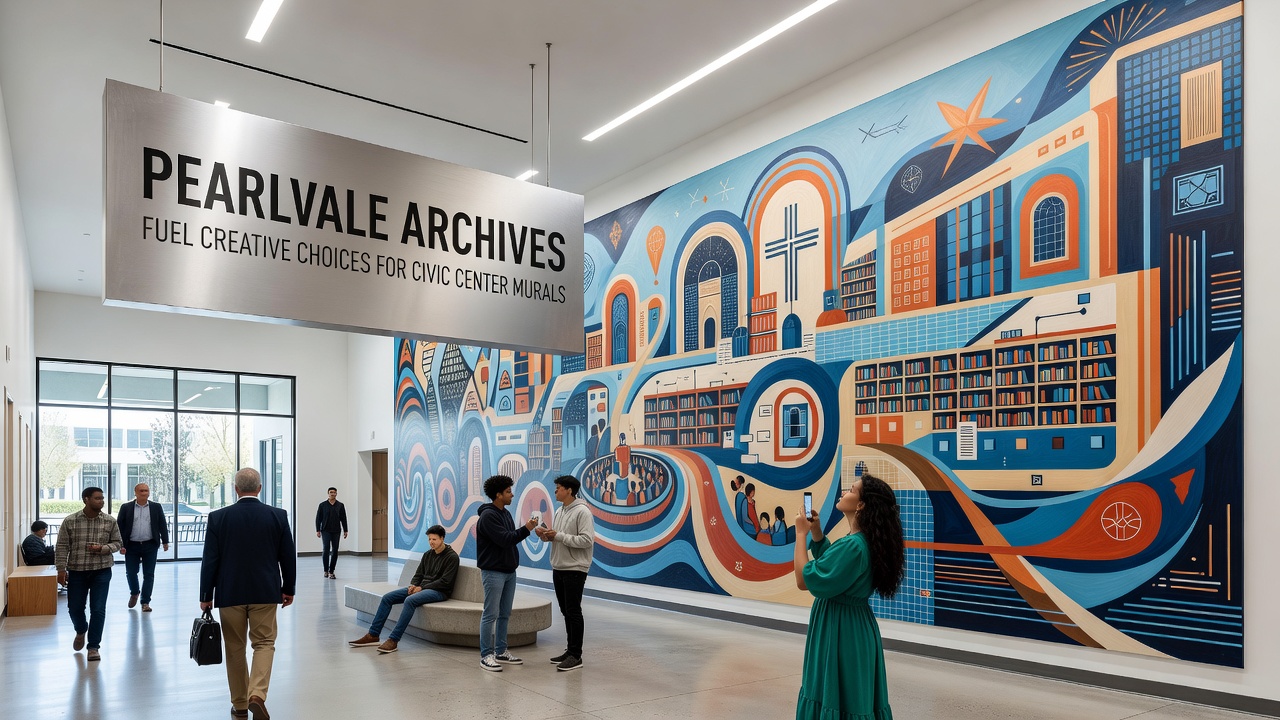
City records confirm that a public review session for the first completed mural sections is scheduled for October 2026, allowing residents to examine how archival materials translated into final artwork. The timeline lists digitization of an additional 800 documents ahead of that date to support remaining panels on the north and south facades. Staff have already processed 2,400 items for the initial phase, according to the project log maintained by the Pearlvale Historical Society.
Collaboration Between Archivists and Artists
Meetings documented in city meeting minutes from March through July 2025 detail regular consultations where archivists flagged fragile materials and supplied high-resolution scans instead. Artists then used those scans to verify building proportions and period clothing details before transferring elements to the wall surfaces. The process included side-by-side comparisons of original documents against mock-up prints to maintain fidelity across scale changes.
Additional records show that three graduate students from regional universities assisted with metadata tagging during the digitization push, which reduced retrieval time for specific image files from days to hours. Their work focused on geographic coordinates embedded in survey maps from the 1870s, data that later helped align mural sight lines with actual Civic Center sightlines.
Broader Use of Archival Materials in Public Projects
Similar archive-driven approaches appear in other municipal art initiatives tracked by the National Endowment for the Arts, where historical collections have informed public installations across multiple states. Pearlvale's method aligns with those documented practices, particularly in how teams prioritized primary sources over secondary interpretations when settling on architectural and social details.
Further examples surface in reports from the Canada Council for the Arts, which tracked comparable projects in prairie provinces where land registry documents shaped mural content. Those cases demonstrated that direct archive consultation reduced later revisions by an average of 18 percent compared with projects relying solely on published histories.
Next Steps for Remaining Panels
Current schedules list completion of the final four panels by early 2027, with continued archive access granted through a formal memorandum of understanding between the Civic Center authority and the Pearlvale Historical Society. The agreement specifies handling protocols for any original items still required and outlines digital delivery standards for the remaining reference materials.
Conclusion
The integration of Pearlvale Archives materials into the Civic Center mural project continues to follow established documentation procedures, with project updates published monthly on the city website. Records through the current quarter show consistent use of the collection for both thematic development and technical reference, extending the same approach already applied to earlier phases.